

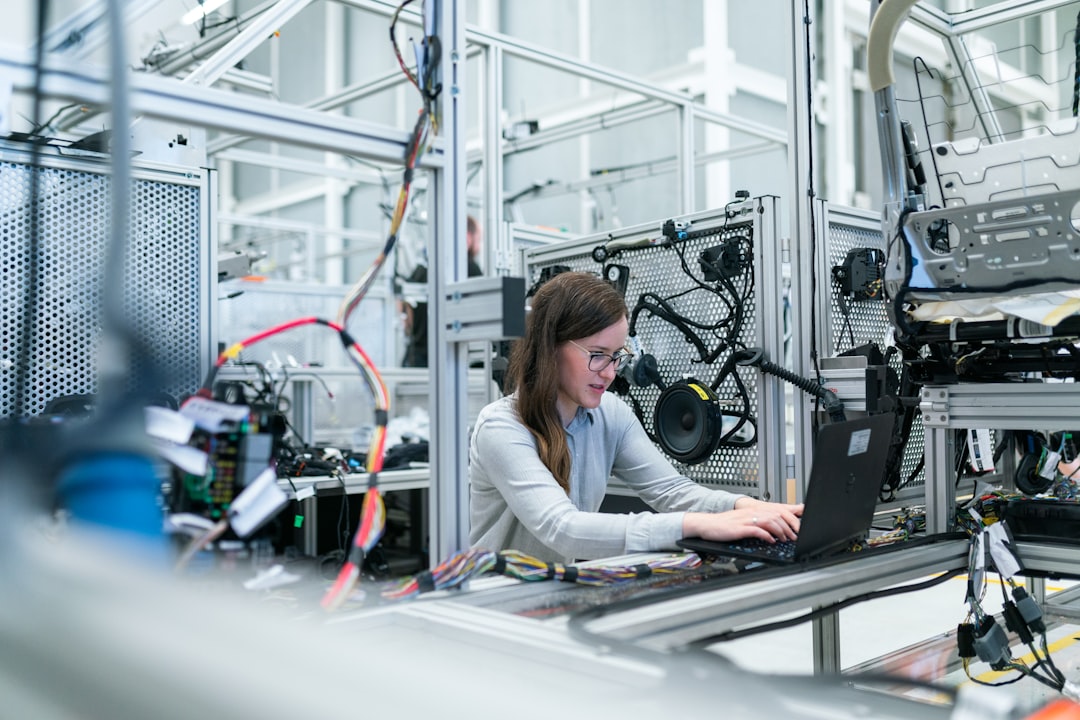
As we navigate through the complexities of the 21st century, it’s hard to ignore the profound impact that technology has had on our daily lives. From the smartphones in our pockets to the computers that dominate our workspaces, technology has become an integral part of our existence. But technology is more than just a tool; it’s a catalyst for change, a driver of innovation, and a key to unlocking the secrets of the universe. In this blog post, we’ll delve into the world of technology, exploring its history, its current state, and its future potential. We’ll also examine the ways in which technology is transforming industries, revolutionizing the way we live and work, and shaping the course of human history.
The History of Technology: A Journey Through Time
To understand the significance of technology, it’s essential to look back at its humble beginnings. The term “technology” was first coined in the 17th century, derived from the Greek words “techne” (skill) and “logia” (study). However, the concept of technology dates back to the earliest days of human civilization, when our ancestors first discovered the power of tools and machines. From the invention of the wheel to the development of the internet, technology has been on a relentless march forward, driven by human curiosity and ingenuity. Today, we’re living in an era of unprecedented technological advancement, with breakthroughs in fields like artificial intelligence (AI), blockchain, and the Internet of Things (IoT).
The history of technology is a rich and fascinating topic, filled with stories of visionaries, inventors, and entrepreneurs who dared to dream big. From the pioneers of the industrial revolution to the tech giants of Silicon Valley, the journey of technology has been marked by milestones, setbacks, and innovations. As we move forward in this digital age, it’s crucial to learn from the past, to understand the evolution of technology, and to appreciate the contributions of those who have shaped the world we live in today. By studying the history of technology, we can gain valuable insights into the trends, patterns, and drivers that have propelled human progress. We can also develop a deeper appreciation for the complexities and challenges that lie ahead, as we strive to harness the power of technology to create a better future for all.
The Current State of Technology: Trends, Innovations, and Challenges
As we look around us, it’s clear that technology is transforming every aspect of our lives. From the way we communicate to the way we work, from the food we eat to the clothes we wear, technology is leaving its mark on the world. We’re living in an era of unprecedented technological advancement, with innovations like cloud computing, cybersecurity, and data analytics changing the game. The rise of social media has revolutionized the way we interact, while the proliferation of smartphones has put the power of the internet in the palms of our hands.
However, with great power comes great responsibility, and the current state of technology is not without its challenges. Concerns about privacy, security, and ethics are on the rise, as we grapple with the implications of emerging technologies like AI, machine learning, and deep learning. The digital divide is another pressing issue, as millions of people around the world remain disconnected from the benefits of technology. Moreover, the environmental impact of technology is a growing concern, as we struggle to balance the demands of a digital economy with the need to protect our planet. As we navigate these complexities, it’s essential to stay informed, to stay vigilant, and to work together to ensure that technology serves the greater good.
The Future of Technology: Opportunities, Risks, and Possibilities
As we look to the future, it’s clear that technology will continue to play a starring role in shaping the world we live in. The next decade will be marked by breakthroughs in fields like quantum computing, biotechnology, and nanotechnology, which will have far-reaching implications for industries like healthcare, finance, and education. The rise of autonomous vehicles, drones, and robotics will transform the way we travel, work, and interact with our surroundings. Meanwhile, the growth of virtual and augmented reality will revolutionize the way we experience entertainment, education, and communication.
However, the future of technology is not without its risks and uncertainties. The prospect of job displacement, social isolation, and technological singularity are just a few of the concerns that are on the horizon. As we move forward, it’s essential to consider the potential consequences of our actions, to weigh the benefits against the risks, and to work towards a future that is more equitable, more sustainable, and more just. By doing so, we can harness the power of technology to create a brighter future for all, a future that is filled with possibility, promise, and potential.
The Impact of Technology on Society: A Double-Edged Sword
Technology has always been a double-edged sword, capable of bringing about both positive and negative change. On the one hand, technology has lifted millions of people out of poverty, connected communities across the globe, and opened up new opportunities for education, employment, and entrepreneurship. On the other hand, technology has also been linked to issues like inequality, addiction, and environmental degradation. As we move forward, it’s essential to acknowledge the complexities of technology’s impact on society, to recognize both the benefits and the drawbacks, and to work towards a more nuanced understanding of the role that technology plays in our lives.
By examining the impact of technology on society, we can gain valuable insights into the ways in which technology is shaping our world. We can also develop strategies for mitigating the negative effects of technology, while maximizing its potential to drive positive change. This requires a multidisciplinary approach, one that brings together experts from fields like sociology, psychology, economics, and philosophy, to name just a few. By working together, we can create a future that is more just, more equitable, and more sustainable, a future that harnesses the power of technology to improve the human condition.
Conclusion: Embracing the Power and Potential of Technology
As we conclude this journey through the world of technology, it’s clear that the future is filled with possibility and promise. From the history of technology to the current state of innovation, from the challenges we face to the opportunities that lie ahead, it’s essential to stay informed, to stay engaged, and to work together to shape the course of human progress. By embracing the power and potential of technology, we can create a brighter future for all, a future that is more connected, more sustainable, and more just. As we move forward in this digital age, let us remember the importance of responsibility, ethics, and compassion, and let us strive to harness the power of technology to make a positive impact on the world. The future is ours to create, and the possibilities are endless.
